Key points to check before quad biking dubai
Booking an off road ride in the desert sounds simple until the small details start to matter. The terrain, the bike, the safety setup and the route all shape the experience. Before paying for quad biking dubai, it helps to slow down and look at what is actually included. A little preparation makes the day easier to enjoy and reduces the chance of surprises at the pickup point or on the sand.
Quad biking is not the same as a slow scenic drive. You sit on a machine that responds quickly to throttle and steering, often on loose sand that changes under the wheels. The best choice depends on your confidence, the people in your group and the kind of ride you want. Some riders want a short introduction, while others want a longer run across open dunes. Neither option is automatically better. The right fit is the one that matches your ability and expectations.
Confirm who can take part
Start with the participation rules. Age limits, driving experience and physical requirements can vary by operator and by the type of vehicle used. A rider who has never handled a quad bike may need a gentler introduction than someone who has ridden on rough ground before. Check whether passengers are allowed, whether children can join in any form and whether there are restrictions for pregnant guests or people with recent injuries. This is not about being cautious for its own sake. Desert riding involves balance, grip and quick decisions, so suitability matters.
It is also worth asking how mixed ability groups are handled. If one rider wants a fast pace and another wants a steady route, the day can feel awkward unless the pace is planned. Look for clear information about beginner support, group sizes and whether the route can be adjusted. A good plan should make slower riders feel comfortable without making experienced riders feel held back.
Read the inclusions carefully
The word adventure can hide a lot of detail. Before booking, check what the ride includes from start to finish. Transport, safety gear, instruction, route length, stops and any time at a desert camp may be listed separately. When comparing options, look beyond the headline activity and see how the whole experience is arranged.
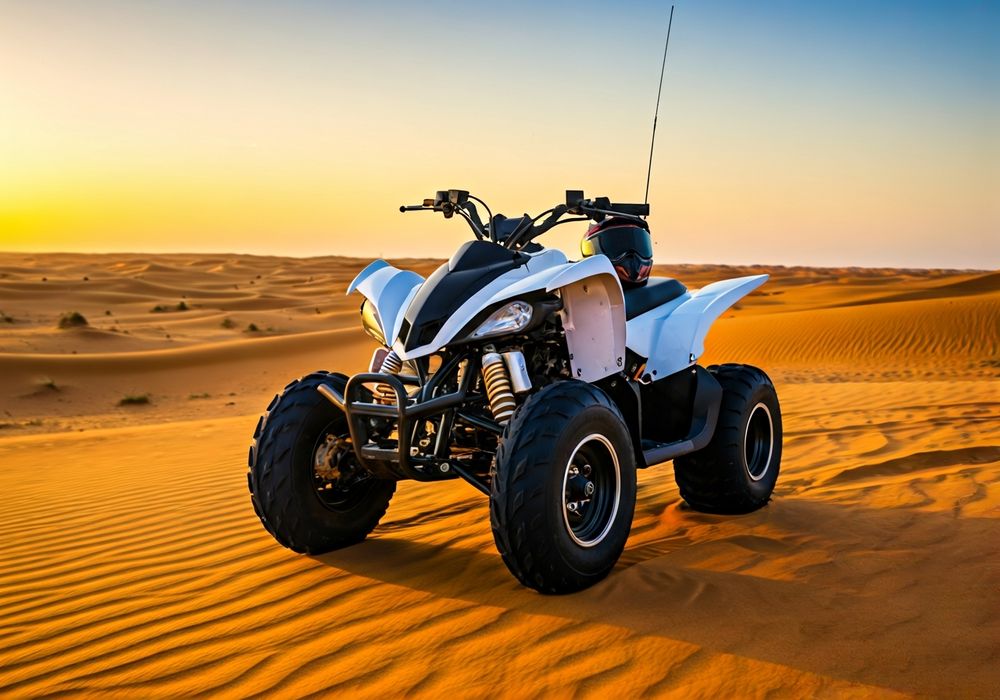
- Safety equipment: Confirm that a helmet is provided and whether other protective gear is expected or available. A helmet that fits properly is more useful than one that simply exists.
- Briefing and guidance: Check whether a safety briefing is part of the session and how instructions are given during the ride. Clear signals matter when engines and wind make conversation difficult.
- Route and timing: Ask how long the riding session lasts and whether the route includes open desert, marked trails or stops for photos. Time spent riding is different from total tour time.
- Transport and meeting point: Make sure the pickup or meeting details are clear. Confusion at the start can eat into the day before the ride even begins.
- Extras: Find out which extras are included and which are optional. This keeps expectations realistic and avoids assuming that every activity belongs to the same package.
When a listing mentions Camel Desert Safari Dubai, treat that as a cue to review the surrounding details rather than relying on the name alone. The practical points still matter: what happens on arrival, how the group is organised and what level of riding is expected. A clear description is usually more helpful than broad wording that leaves the main experience vague.
Check the bike and the riding style
Not all quad bikes feel the same. Engine size, weight, suspension and braking all affect how a machine handles sand. A smaller bike can feel manageable for a beginner, while a more powerful one may feel lively and less forgiving. The aim is not to choose the biggest option available. The aim is to choose a bike that the rider can control calmly.
Ask what type of machine is used and whether there are options for different abilities. The quad bike engine should suit the rider, not the other way around. If the riding is mostly on firm tracks, the experience will differ from a route with steep dunes and soft sections. Sand dune terrain can look smooth from a distance yet shift under the wheels, especially near crest lines or in areas with loose surface sand. Riders who understand that will approach corners and slopes with more care.
It is fair to ask how speed is managed. A responsible ride has structure, not just open throttle. Look for information about lead riders, route marshal support and rules for overtaking or spacing. If the group is large, spacing becomes more important. Dust and sand can reduce visibility, and a rider following too closely may have little time to react.
Look at safety standards, not just promises
Safety language can sound reassuring, but useful details are more convincing. Check whether helmets are fitted correctly, whether the briefing covers hand signals and what happens if a rider gets into difficulty. Ask how the route is chosen on the day. Conditions in the desert can change with wind, heat and recent traffic over the sand, so a fixed plan may need adjustment.
Also check what maintenance routine is described in general terms. Riders do not need a technical lecture, but they should not feel uneasy about the basics. Brakes, tyres, steering and lights should be suitable for the riding environment. Any mechanical problem should be handled by trained staff, and riders should not be expected to repair or adjust safety critical parts themselves. If something feels wrong with a vehicle, the sensible response is to stop and report it rather than continue.
Camel Desert Safari Dubai may appear while comparing desert activities, but the decision should still rest on clear operating details. Look for straightforward answers. Vague reassurance is less useful than knowing how the ride is supervised, how gear is issued and how riders are briefed before they move off.
Understand the physical side of the ride
Quad biking uses more of the body than many people expect. Steering on sand takes effort, and the constant vibration can tire the hands and arms. Riders need to brace, lean and shift weight, especially when climbing or descending a slope. Anyone with back, wrist or shoulder concerns should think carefully before booking a longer session.
Clothing is another practical point. Loose scarves, dangling accessories and unsecured bags can catch or distract. Eye protection can help with dust, and closed footwear is more sensible than sandals. Heat also changes how a person feels, so water before and after the ride matters. None of this needs to turn the day into a lecture. It simply helps riders arrive ready.
Compare the route with your expectations
Some people picture wide open dunes and uninterrupted riding. Others imagine a short activity alongside a broader desert safari. Both can be enjoyable, but they are not the same. Read the route description closely. If there are photo stops, scenic viewpoints or a camp visit, note how much time is spent riding and how much is spent elsewhere.
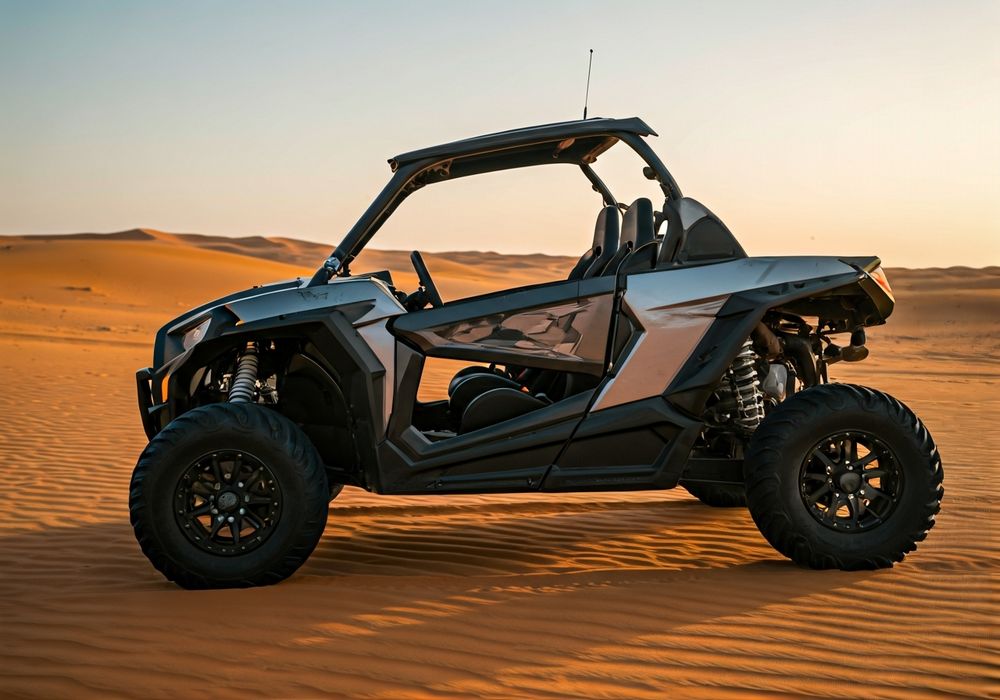
A dune buggy and a quad bike also create different experiences. A dune buggy may suit riders who want a seated, enclosed feel, while a quad bike offers a more exposed riding position and a stronger sense of movement. If the group includes both types of rider, check whether routes are separated or combined. Mixed routes can work, but only if speeds and abilities are managed well.
Ask about rules before arrival
Many disputes happen because riders assume rules will be explained later. Confirm the main points in advance. These may include what happens if a rider wants to stop, how overtaking is handled, where riding is allowed and whether phones or cameras can be carried. A clear answer now is better than a heated conversation in the sand.
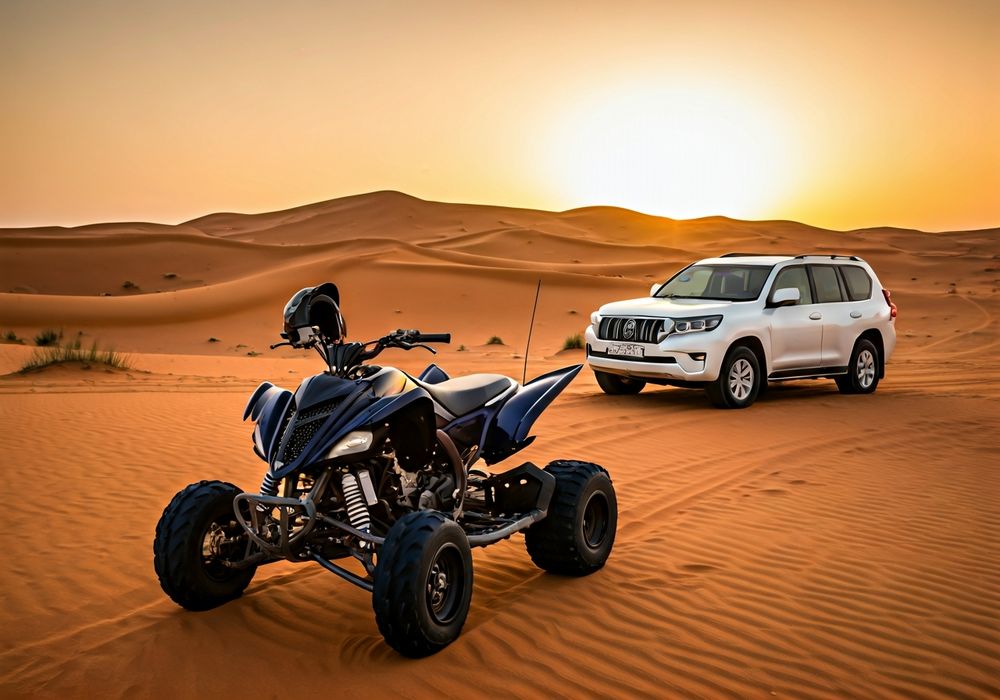
It is also useful to ask about changes caused by weather or local conditions. Desert activities may be adjusted when visibility, heat or terrain makes riding less suitable. Flexibility is part of the experience. The best outcome is not always the longest route, but a well managed ride that people can enjoy safely.
Make the final choice with clear eyes
A good booking decision rests on a few simple questions. Can the rider handle the machine? Is the route suitable? Is the safety setup clear? Are the inclusions understood? When those answers line up, quad biking dubai becomes much easier to judge. The desert can be a memorable place to ride, but it rewards preparation. Take the time to compare the practical points, choose a pace that fits the group and avoid relying on vague wording. A well matched ride feels confident from the first briefing to the last stretch of sand.